Regulatory Changes Transforming Bonus Mechanisms in UK Online Gaming
Otto Hughes · Oct 8, 2026
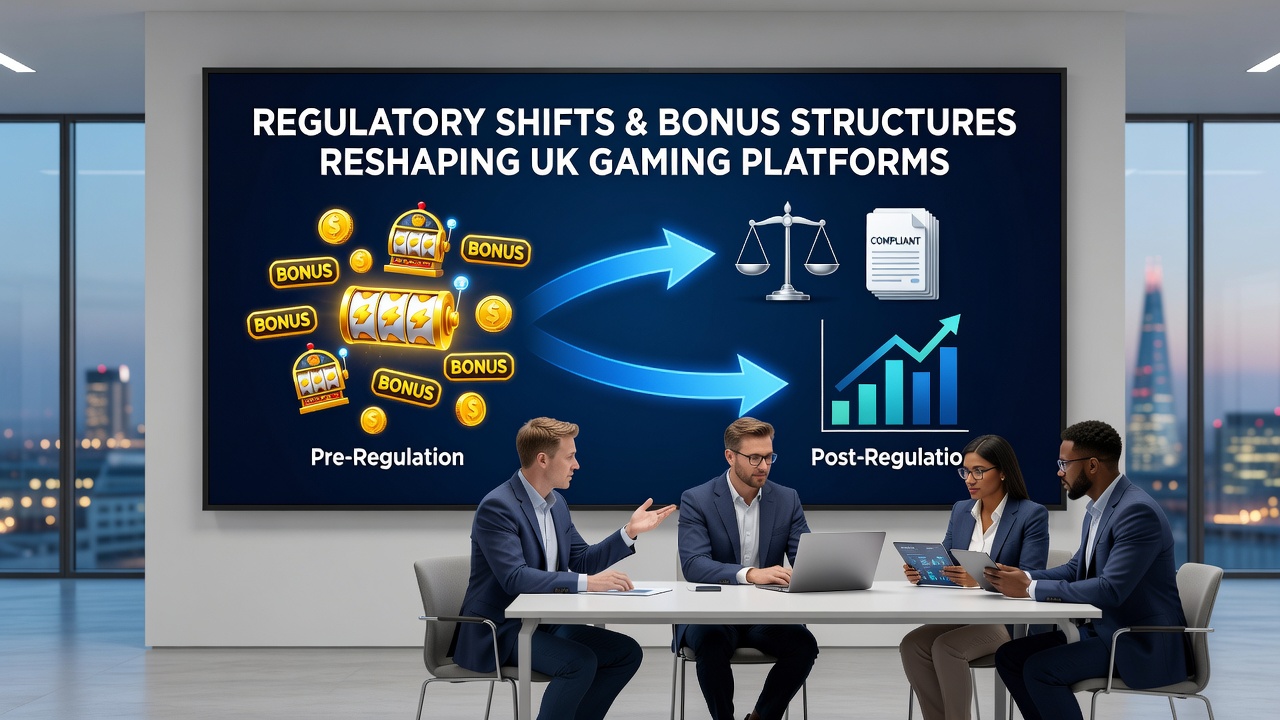
Regulatory Changes Transforming Bonus Mechanisms in UK Online Gaming
Regulatory adjustments continue to influence how operators structure promotional incentives across UK gaming platforms, with new frameworks taking shape through 2026 and beyond, while data from industry reports highlights measurable shifts in compliance practices. Observers note that these developments stem from broader efforts to standardize consumer protections, and they affect wagering requirements, eligibility criteria, and payout conditions that define bonus offerings.
Background on Evolving Oversight Frameworks
Policy updates have emerged from multiple government bodies and international comparisons, with one notable reference point coming from analyses by the Australian Gambling Research Centre that examine cross-jurisdictional patterns in reward structures. Those who've tracked these trends point out that UK platforms now align bonus designs more closely with transparency mandates, and this alignment reduces variability in how free spins or deposit matches reach players. Research indicates the adjustments build on earlier directives, yet they introduce stricter documentation for terms that previously allowed wider operator discretion.
Operators have responded by revising their promotional calendars ahead of targeted implementation dates, and October 2026 marks one such milestone where revised guidelines on bonus expiration periods and maximum stake rules are scheduled to apply. Figures from sector analyses reveal that many platforms already test modified structures in pilot programs, and these tests focus on limiting bonus abuse while maintaining engagement metrics.
Key Areas of Structural Modification
Bonus calculations now incorporate clearer caps on multipliers and contributions from different game types, while experts have observed that slot contributions often receive lower weighting compared to table games under the updated models. This recalibration stems from data showing disproportionate play volumes in certain categories, and it leads platforms to diversify their game libraries to balance bonus eligibility across offerings. Studies from academic sources further demonstrate that such weighting changes correlate with steadier player retention rates when operators communicate the adjustments effectively.
Impact on Player Eligibility and Verification
Verification processes tie more directly into bonus activation, requiring documented proof of residency and age before any promotional credit appears in accounts, whereas earlier systems permitted provisional access followed by later checks. Those who've studied these protocols note that the upfront requirements reduce instances of disputed claims, and they align with parallel standards seen in Canadian provincial frameworks. Platforms integrate automated tools that flag inconsistencies in real time, and this integration shortens resolution times for users who meet all criteria from the outset.

Payment method restrictions also factor into the revised bonus structures, with certain deposit channels now excluded from promotional calculations to prevent circumvention of spending limits. Evidence from trade association reviews suggests these exclusions maintain overall incentive volumes while directing activity toward verified channels, and operators adjust their marketing materials accordingly to reflect the narrowed options.
Comparative Insights from International Models
UK developments draw partial inspiration from approaches in other regions, such as those outlined in reports by the National Council on Problem Gambling in the United States, which track how bonus restrictions influence responsible gaming outcomes. Researchers discovered that platforms incorporating similar tiered bonus systems experience fewer regulatory interventions over time, and they attribute this stability to proactive alignment with emerging standards. Yet differences persist because UK rules emphasize operator accountability through detailed reporting, whereas some overseas models prioritize consumer self-exclusion tools.
Case examples illustrate the practical effects, including one operator group that restructured its loyalty bonuses to comply with contribution caps, resulting in adjusted reward timelines that spread benefits across longer periods. Data shows these modifications preserved total incentive value while meeting new documentation thresholds, and similar patterns appear across mid-sized platforms adapting at comparable scales.
Future Trajectories and Compliance Preparations
Preparations for October 2026 involve system upgrades that automate compliance checks within bonus engines, and these upgrades allow platforms to generate audit-ready reports without manual intervention. Observers note that early adopters gain advantages in operational efficiency, while later movers face compressed timelines for testing and staff training. Academic papers on regulatory adaptation highlight that phased rollouts minimize disruption to existing player bases, and they recommend clear communication campaigns to explain revised terms before full enforcement begins.
Conclusion
Overall, the regulatory shifts continue to standardize bonus structures across UK gaming platforms through layered requirements on transparency, eligibility, and contribution rules. Information from diverse international sources underscores the interconnected nature of these changes, and operators who integrate the updates ahead of October 2026 position themselves for sustained compliance. The landscape evolves through measured adjustments rather than abrupt overhauls, with measurable impacts on how incentives function in practice.